Taraba 2.0: A Place You Complete
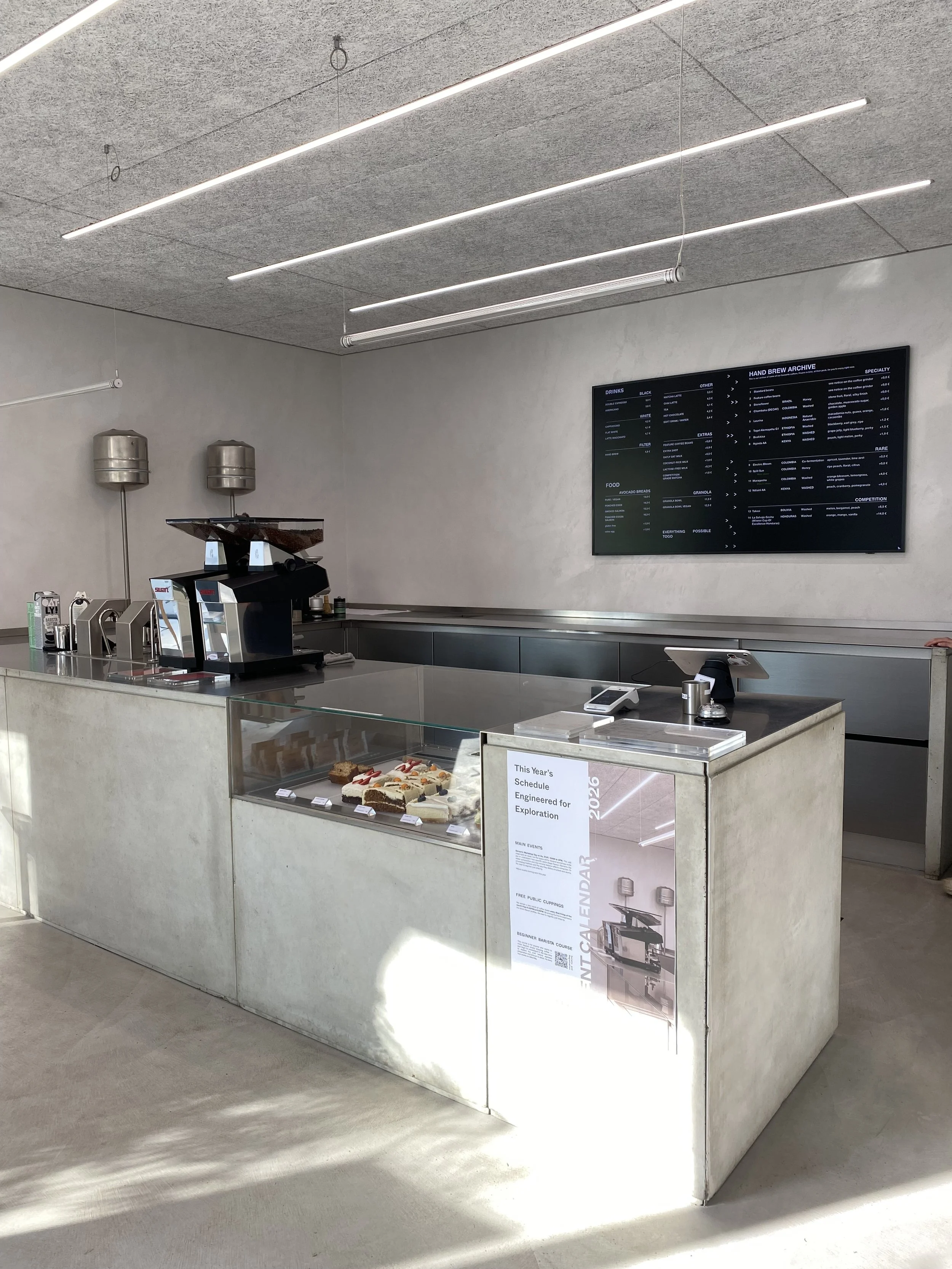
Taraba 2.0 opened roughly a year ago, with little insistence. Designed by Studio Fragment, the Seoul-based creative collective founded by Seo Donghan, the café occupies a single, carefully composed room, articulated through subtle subsections that offer pockets of intimacy without breaking the spatial flow.
Materials are honest and purposeful. Exposed concrete surfaces anchor the space, while greige fabrics softens edges and define seating, balancing weight and tactility. Each surface carries texture and presence, allowing the body to register scale, proportion, and rhythm, revealing the subtle dialogue between form, material, and movement.
Light threads through the room with intention. It does not dramatize; it settles and shifts across surfaces, shaping depth and accentuating detail over the course of the day. Edges soften, textures deepen, and time becomes perceptible, marking the pace of presence rather than imposing it. Coffee sits at the center of this arrangement, precise and deliberate.
Taraba has begun roasting its own beans, extending the clarity of the space into taste and linking craft to atmosphere. The selection remains focused, offering coffee from their own roasting program — each cup placed with care, considered, intentional, and reflecting the same thoughtfulness that shapes the room. The food follows the same logic. A small, curated selection of cakes complements the coffee, present yet never competing, each element chosen with care and earning its place through restraint.
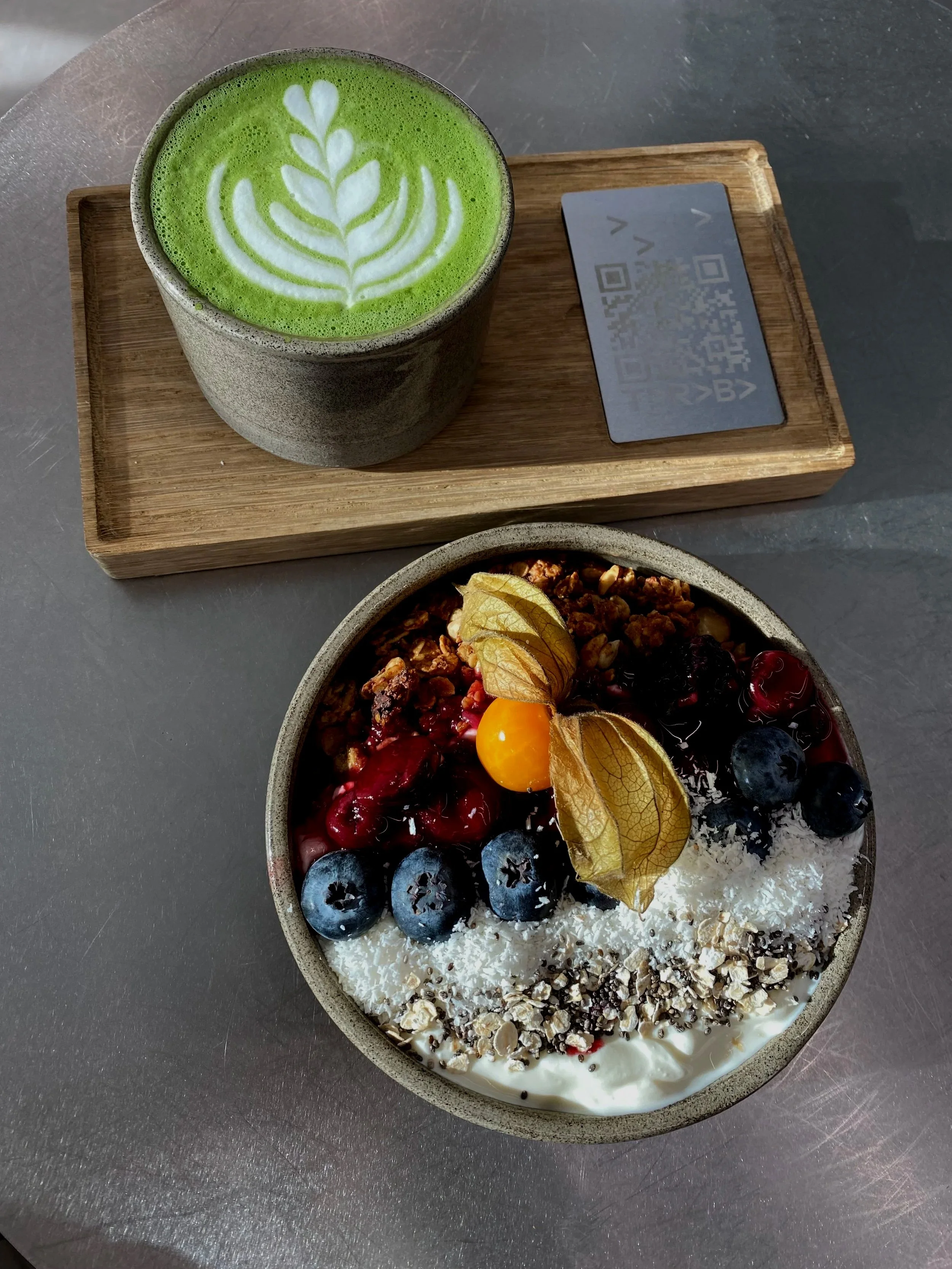
What emerges is not a prescribed atmosphere, but a field of possibility, a framework within which the visitor enacts their own rhythm. Taraba 2.0 does not perform. It does not instruct. It allows.
The visitor completes the space through conversation, solitude, routine, or pause — and in doing so, the café takes on a life that extends beyond what is built, beyond what is visible in materials and light.
The aesthetics are precise and restrained, yet the atmosphere is created by the people who enter, by the coffee drinker, the visitor, and the rhythm they bring. How you occupy the space, how long you linger, the gestures you make — these are what give it life.
Step inside. The experience unfolds slowly, revealing itself in its own time. It is rare and singular, and only by entering with yourself fully present does it come alive.